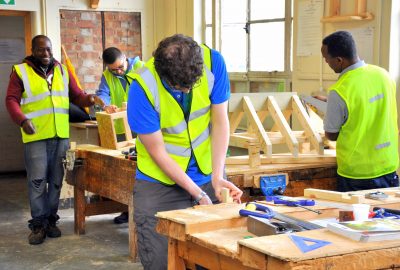
Is Traditional Joinery Dying Out?

Hello and welcome to a journey through the world of traditional joinery. As an expert in traditional joinery, my goal is to share insights, tips, and inspiration about this timeless craft.
Traditional joinery, the art of connecting wood in a way that has been practiced for centuries, is at the heart of this blog. We’ll explore techniques like dovetail joints and mortise and tenon, delving into their history, application, and beauty.
This blog is for everyone from budding woodworkers to seasoned professionals. You’ll find detailed tutorials and step-by-step guides based on traditional joinery methods, enriched with personal experiences to offer a comprehensive view of the craft.
Beyond techniques, this platform aims to build a community around traditional joinery. Your experiences and questions are invaluable, and your engagement with fellow readers will enrich our collective understanding.
What is Traditional Joinery?

Traditional joinery, the art of skilfully connecting wood without modern fasteners, is essential for creating durable, aesthetically pleasing wooden structures, bringing timeless craftsmanship and beauty into our lives.
Joinery as a practise traditionally only involved wood, with no additional screws or fixtures to hold the pieces of wood together.
The name joinery comes from the root word ‘join’ hence why the practice refers to the joining of wood together to create more complex shapes and structures.
The wood would be cut and shaped so that the joiners were able to fit them together in ways that meant they had structural rigidity, as well as being aesthetically pleasing.
There are a number of different ways of joining wood, and each method has its own purpose and characteristics.
For example, the joinery techniques that are used to build a house will be very different from those required to make toys or furniture.
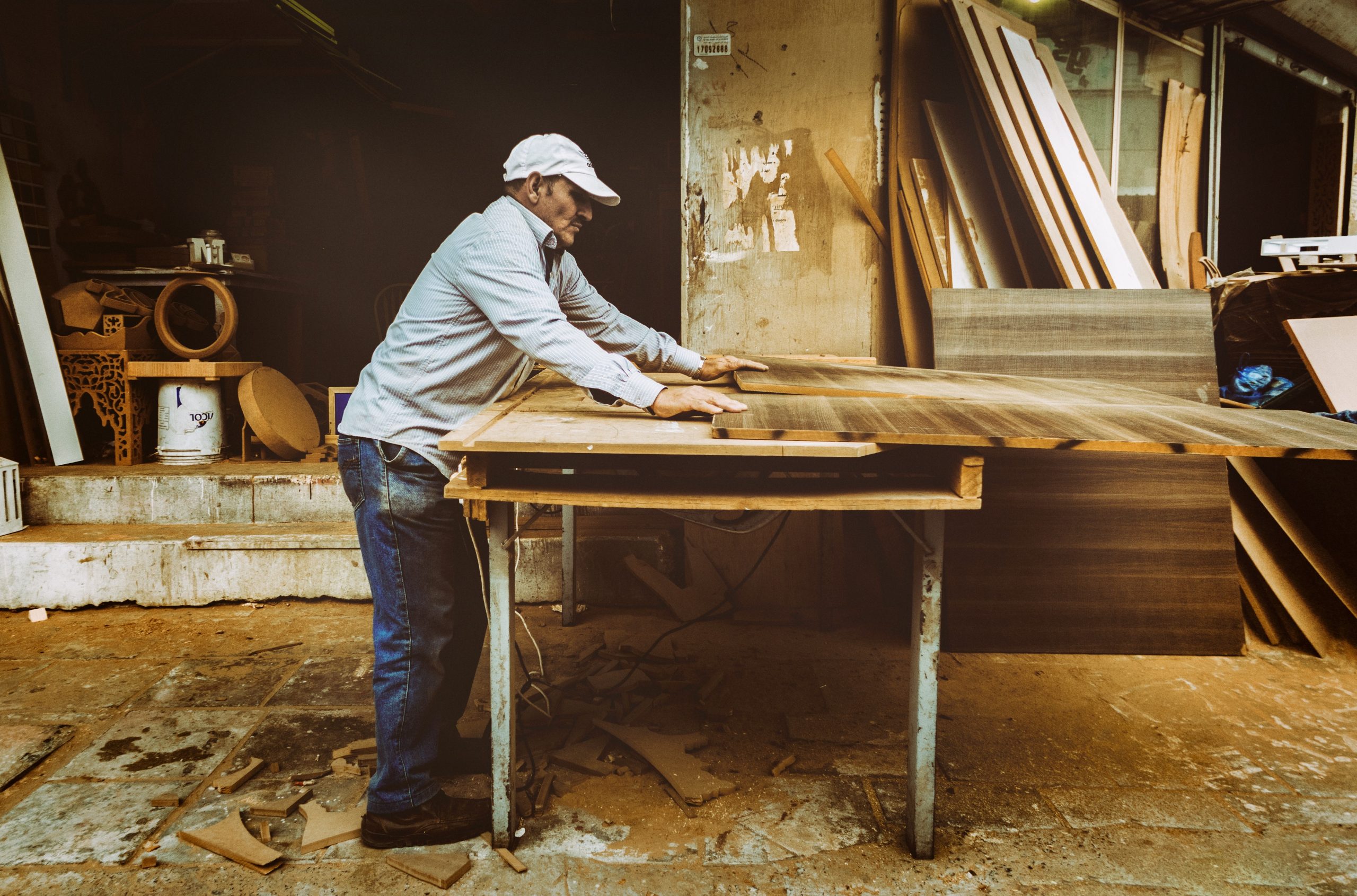
Traditional Joinery Tools and Their Importance
- Chisels: Essential for fine-tuning joints, chisels in traditional joinery allow for precise cuts and adjustments, ensuring a perfect fit every time.
- Hand Saws: A mainstay in traditional joinery, hand saws offer control and accuracy for cutting joints, crucial for maintaining the integrity of the wood.
- Marking Gauges: Used for accurate marking, these tools are vital in traditional joinery to ensure precise cuts and alignments, leading to stronger, more accurate joints.
- Mallets: Mallets provide the controlled force needed to work chisels and other tools without damaging the wood, making them indispensable in traditional joinery.
- Planes: Planes smooth and shape wood surfaces, preparing them for joining, which is fundamental in traditional joinery for achieving a seamless and aesthetic finish.
Each of these tools plays a crucial role in traditional joinery, combining precision, control, and attention to detail, fundamental for crafting strong and beautiful wooden structures.
Carpentry
Then there is also the practice of carpentry, which relates to structural timber work.
Carpentry, in general, is more related to construction rather than finishing, and the work is less on show than that of a joiner.
For this reason, it is generally considered harder work than the work undertaken by joiners, but there are some similarities between the two.
Carpenters will build the roofs, floors and the timber construction of houses, whereas joiners will build the doors, skirting and windows of a house.
Traditional Wood Joinery Around the World: A Focus on Japanese Techniques
Traditional wood joinery, a revered craft practiced globally to this day by some wood joinery experts. This age old craft finds its pinnacle in traditional Japanese wood joinery, a testament to precision and aesthetics. This ancient wood carving art form, a significant aspect of traditional Japanese woodworking, is renowned for its intricate, interlocking joints that require no fasteners. The precision and attention to detail in traditional Japanese joinery showcase a deep understanding of wood behavior, reflecting a harmony between nature and craftsmanship. This technique, while rooted in Japan, has influenced woodworkers worldwide, inspiring a blend of styles and approaches in the broader realm of traditional wood joinery. The skillful execution and enduring strength of these joints not only uphold the structural integrity of wooden constructions but also embody an artistic expression, making traditional Japanese wood joinery a highly respected and sought-after skill in the world of woodworking.
Check out the video below to see an example of how Japanese traditional wood joinery is carried out:
Is Traditional Joinery On the Way Out?
Traditional joinery is still being practised around the world today, however, it is slowly declining due to modern construction methods and constraints.
Many building contractors have timescales on their projects, which forces the labour force to use methods that save time.
The thing is, these methods are not always in keeping with the traditional practice of joinery.
They will usually use screws and other metalwork to speed up the installation process, and to traditional joiners, this is not always seen as real joinery, since the ‘joins’ are not there.

Mark is a skilled joiner with a passion for bespoke woodworking. He specializes in crafting custom furniture, staircases, and cabinetry, ensuring a perfect blend of functionality and aesthetics.